Mermaid Rainbow Patterns: A Comprehensive Guide to Selection and Application
In the realm of digital design and creative production, finding a visual element that balances whimsy with professional polish is often a challenge. Mermaid Rainbow Patterns have emerged as a distinct category within seamless texture collections, offering a unique blend of aquatic fantasy and chromatic vibrancy. Unlike standard floral or geometric repeats, these designs integrate organic, fluid shapes reminiscent of ocean currents with the structured spectrum of a rainbow. This article explores the specific characteristics of this aesthetic, evaluates its practical applications, and compares it against broader design trends to help creators determine if this style aligns with their project goals.
Defining the Aesthetic: What Sets Mermaid Rainbow Patterns Apart
The core appeal of Mermaid Rainbow Patterns lies in their ability to merge two seemingly disparate concepts: the mystical, deep-sea allure of merfolk and the bright, optimistic energy of prismatic colors. Traditional patterns often stick to a single theme, such as marine life in monochromatic blues or rainbows in abstract geometric forms. The intersection of these elements creates a texture that feels both grounded in nature and elevated by fantasy.
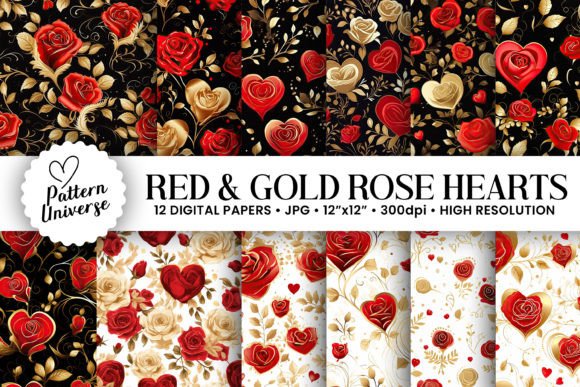
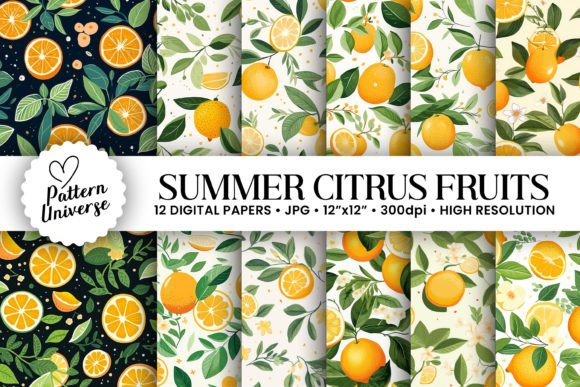
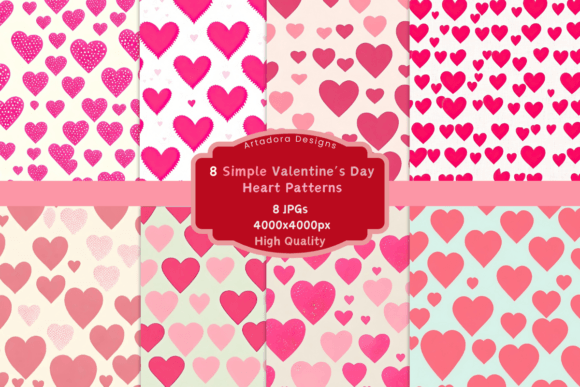
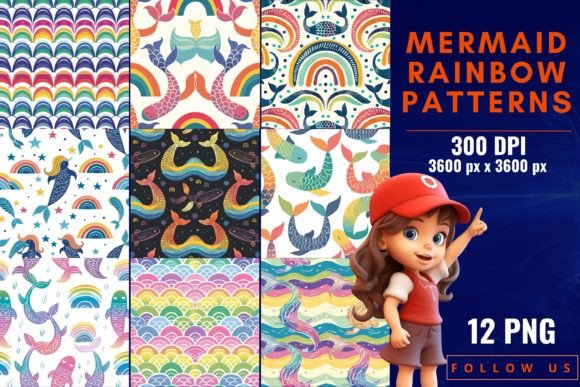
These patterns typically feature high-resolution visuals where intricate details are paramount. You will often see scales rendered with iridescent sheens, seashells interspersed with vibrant arcs, and wave motifs that utilize a full color gradient rather than flat shading. This complexity distinguishes them from simpler clip-art styles. When evaluating a collection like the one described in our store featuring 12 captivating designs, the focus is on "whimsical sophistication." The patterns are not merely decorative; they carry a narrative of enchantment that can transform a mundane background into a focal point of interest.
Technical Distinctions and Quality Factors
When comparing Mermaid Rainbow Patterns to other available resources, resolution and seamlessness are critical differentiators. Low-quality assets often suffer from visible tiling lines or pixelation when scaled for large formats. High-end collections prioritize vector-like crispness even in raster formats, ensuring that the transition between the mermaid motifs and the rainbow hues remains smooth at any size. This is particularly important for professionals who need to scale assets from small mobile icons to large textile prints without losing definition.
- Color Depth: These patterns utilize complex gradients to mimic the natural iridescence found in sea life, moving beyond simple primary colors.
- Motif Integration: The mermaid elements are woven into the pattern structure rather than simply overlaid, creating a cohesive flow.
- Versatility: The inclusion of rainbow elements allows the pattern to adapt to various lighting conditions and material finishes, from matte paper to glossy fabric.
Evaluating Use Cases: Where These Patterns Excel
Understanding the strengths of Mermaid Rainbow Patterns requires looking at specific industries and application scenarios. While they are visually striking, they are best utilized in contexts that benefit from a sense of wonder, creativity, or playful elegance.
Textiles and Fashion Design
In the fashion industry, these patterns offer a modern twist on traditional nautical themes. Unlike classic sailor stripes which can feel dated, the mermaid-rainbow combination introduces a contemporary, bohemian flair suitable for swimwear, summer dresses, and accessories. The vibrant hues allow designers to create pieces that stand out in crowded marketplaces while maintaining a cohesive brand identity. However, the density of the detail means they work best as statement fabrics rather than subtle linings.
Stationery and Print Media
For stationery designers, the Mermaid Rainbow Patterns provide an excellent opportunity to target niche markets, such as planners, journals, and greeting cards aimed at younger demographics or those with a love for fantasy aesthetics. The high-resolution quality ensures that fine details remain legible even in small print runs. When used in digital marketing materials, these patterns can significantly increase engagement rates due to their eye-catching nature compared to solid backgrounds.
Digital Interfaces and Web Design
In web development, using these patterns as section dividers or background textures can add depth to a user interface. They are particularly effective for landing pages related to events, children's products, or creative portfolios. The seamless nature of the files allows for infinite scrolling backgrounds that do not disrupt the user experience with jarring repetition lines.
Comparative Analysis: Alternatives and Tradeoffs
No single design asset fits every scenario. When considering Mermaid Rainbow Patterns, it is essential to weigh them against alternative approaches to understand their limitations and ideal use cases.
Mermaid Rainbow Patterns vs. Standard Nautical Themes
Standard nautical patterns rely heavily on navy blues, whites, and reds, often utilizing anchors, ships, and ropes. While these evoke a sense of tradition and reliability, they can sometimes appear rigid or overly masculine depending on the execution. Mermaid Rainbow Patterns break this mold by introducing softness and a wider spectrum of colors. If a project requires a serious, corporate, or maritime-industry-specific look, traditional nautical themes are superior. However, for projects aiming for creativity, inclusivity, or a magical atmosphere, the rainbow variation is the clear choice.
Mermaid Rainbow Patterns vs. Abstract Geometric Rainbows
Abstract geometric rainbows are versatile and minimalist, fitting well into modern UI/UX design and corporate branding. They are less likely to distract from text content. In contrast, Mermaid Rainbow Patterns are more ornate and narrative-driven. They demand attention. If the goal is to keep a design clean and uncluttered, the detailed mermaid motifs might be too busy. Conversely, if the goal is to tell a story or evoke a specific emotional response (like joy or nostalgia), the organic shapes of the mermaid patterns offer a richer experience.
Tradeoffs in Production
One potential limitation of these patterns is their color intensity. Because they incorporate a full rainbow spectrum alongside dark mermaid tones, they can sometimes compete with foreground text or other graphic elements. Designers must carefully manage contrast ratios to ensure readability. Additionally, the whimsical nature of the theme may not align with brands requiring a strictly professional, minimalist, or somber tone. It is crucial to evaluate whether the "magical" vibe supports the brand message or distracts from it.
Decision Framework: Choosing the Right Resource
Selecting the appropriate pattern involves a strategic assessment of the project's end-user and medium. To make an informed decision, consider the following factors:
- Target Audience: Is the audience receptive to fantasy and colorful imagery? If the demographic skews towards adults seeking sophisticated, understated elegance, a subtler pattern may be better. If the audience includes children, teens, or creative enthusiasts, Mermaid Rainbow Patterns will likely resonate strongly.
- Medium Constraints: For digital screens, the high resolution ensures clarity. For physical printing, verify the color profile compatibility. Some vibrant rainbows may shift slightly when printed on different paper stocks, so testing a sample is always recommended.
- Brand Consistency: Does the whimsical nature of the pattern align with existing brand guidelines? If the brand voice is serious and authoritative, these patterns should be used sparingly, perhaps as accents rather than dominant backgrounds.
- Project Scope: For short-term campaigns or seasonal products (like summer festivals), these patterns offer a timely and relevant aesthetic. For long-term branding, consider whether the trendiness of the "mermaid" motif will age well over time.
Maximizing Creative Potential
To truly leverage the value of Mermaid Rainbow Patterns, designers should think beyond simple background fills. Layering techniques can enhance the effect. For instance, placing semi-transparent overlays of the pattern over solid colors can create depth. Alternatively, using the pattern as a texture for typography can add a tactile quality to headlines. The key is to treat the pattern as a dynamic element that interacts with the rest of the composition.
Furthermore, the versatility of these designs extends to mixed media projects. Artists combining digital illustration with physical crafts can find that the seamless nature of the patterns allows for easy integration into scrapbooking, card making, and custom packaging. The ability to seamlessly repeat the design without visible breaks is a technical advantage that saves significant time during the layout process.
Conclusion
Mermaid Rainbow Patterns represent a specialized niche in the world of design assets, bridging the gap between marine inspiration and vibrant color theory. They are distinct from standard nautical or geometric designs through their intricate detailing and emotional resonance. While they may not suit every professional context due to their whimsical nature, they are unmatched in their ability to inject magic and color into textiles, stationery, and digital projects. By understanding their strengths, limitations, and ideal use cases, creators can make informed decisions that elevate their work and engage their audiences effectively.