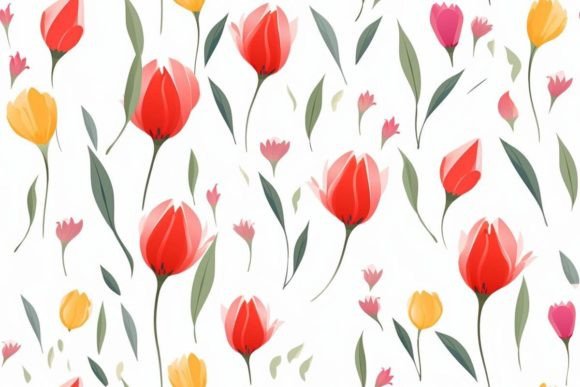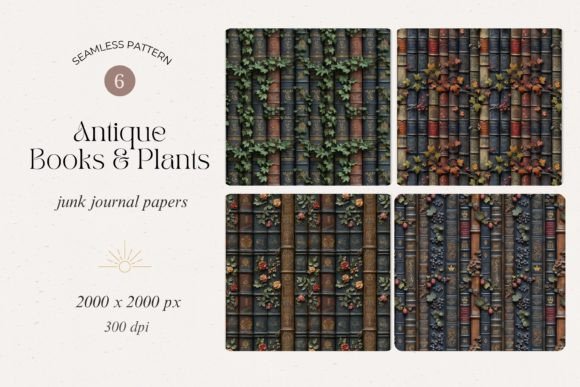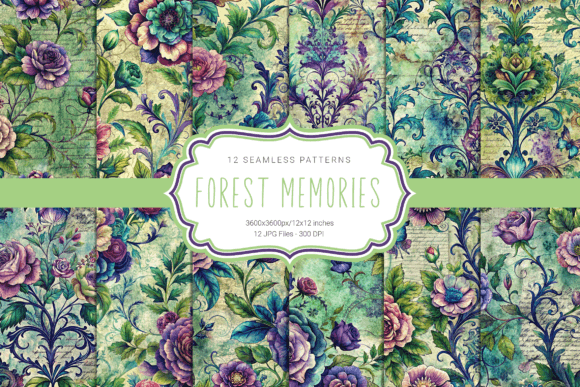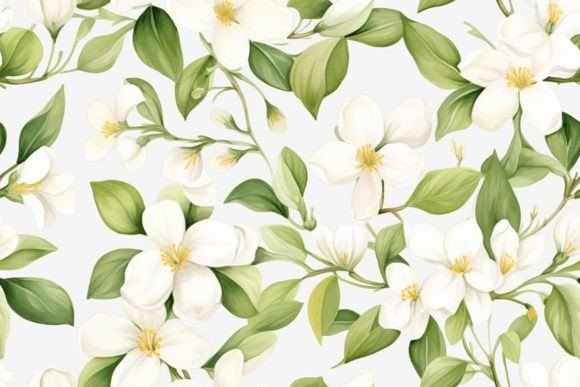
Seamless Patterns Tile Botanical Art
In the fast-paced world of digital creativity, finding a visual asset that bridges organic beauty with professional utility is rare. Seamless Patterns Tile Botanical Art offers exactly that, providing designers with a versatile foundation to elevate branding, editorial layouts, and user interfaces without compromising on aesthetic integrity.
These intricate designs are more than just decorative backgrounds; they are strategic tools for visual communication. By integrating nature-inspired motifs into your workflow, you can instantly establish a connection with audiences who value authenticity, sustainability, and modern elegance. Whether you are crafting a luxury skincare line or designing a wellness app, the right pattern sets the tone before a single word is read.
The Strategic Value of Organic Design Elements
Modern aesthetics have shifted away from rigid, geometric structures toward fluid, natural forms. This transition reflects a broader cultural desire for calm and grounding in our digital experiences. When you utilize botanical tiles, you are tapping into a universal language of growth and renewal. This visual vocabulary strengthens brand identity by associating your business with positive, organic values.
From a technical standpoint, seamless patterns are essential for scalable design. Unlike standard images that distort when stretched, these tiles repeat flawlessly across any surface area. This makes them ideal for:
- Packaging Design: Creating continuous wraps for boxes, bottles, and labels that look cohesive at every angle.
- Web and UI Design: Building immersive background textures for landing pages that guide the eye without overwhelming content.
- Social Media Graphics: Generating unique templates for Instagram stories or posts that maintain brand consistency across platforms.
Enhancing Visual Hierarchy and Readability
A common challenge in graphic design is balancing visual interest with clarity. A well-executed botanical tile provides depth and texture while leaving negative space for typography to shine. The key lies in selecting the right color palette and density. Lighter, airy patterns work best for text-heavy editorial designs, ensuring high readability, while darker, denser motifs add sophistication to marketing materials and presentation slides.
When pairing these assets with typography, consider the weight and style of your fonts. Delicate, hand-drawn leaves pair beautifully with serif typefaces for a classic, premium feel. Conversely, bold, stylized foliage complements sans-serif fonts, creating a fresh, contemporary look suitable for startups and tech-forward brands.
Practical Applications Across Creative Projects
The versatility of these digital assets extends far beyond simple wallpapers. In the realm of print design, they serve as powerful elements for stationery, business cards, and brochures, adding a tactile quality to physical media. For digital products, they enhance the user experience (UX) by softening the harshness of screens and making interactions feel more human-centric.
Consider how these patterns can transform specific project types:
- Brand Identity Systems: Use subtle variations of the pattern as watermarks or secondary logos to reinforce recognition.
- Advertising Campaigns: Create dynamic backdrops for ads that stand out in crowded social feeds.
- Merchandise: Apply the design to t-shirts, tote bags, and notebooks to create a unified product line.
- Digital Products: Incorporate them into e-book covers, course materials, or website headers to boost perceived value.
Selecting Assets for Professional Results
Not all design resources are created equal. When evaluating creative assets for your next project, prioritize quality and compatibility. High-resolution files ensure that your designs remain crisp whether viewed on a mobile device or printed on large format signage. It is also crucial to check the file structure; having separate layers or transparent backgrounds allows for greater flexibility during the editing process.
Always align your choice of imagery with your target audience's expectations. A medical practice might prefer clean, minimalistic leaf patterns to convey hygiene and care, whereas a craft brewery might opt for wild, detailed botanical illustrations to suggest tradition and craftsmanship. Understanding these nuances ensures that your design choices support your communication goals rather than distracting from them.
Ultimately, the success of a design project often hinges on the quality of its foundational elements. By investing in premium, thoughtfully crafted resources like Seamless Patterns Tile Botanical Art, designers can streamline their workflow and produce work that resonates deeply with viewers. These assets do more than just fill space; they tell a story, evoke emotion, and elevate the overall professionalism of your brand presence.