Nature Patterns Botanical Illustration: Bridging Art and Digital Utility
In an era where digital interfaces often feel sterile and uniform, Nature Patterns Botanical Illustration offers a refreshing return to organic complexity. This aesthetic is not merely a nostalgic nod to Victorian science journals or 18th-century field guides; it has evolved into a versatile design language that speaks to our collective desire for authenticity. Whether you are a web designer seeking unique textures, a brand owner looking to humanize your product line, or a creative professional curating content for social media, the integration of botanical art provides a tangible connection to the natural world.
The resurgence of this style is rooted in a fundamental shift in user expectations. Modern audiences are increasingly fatigued by hyper-realistic photography and generic stock imagery. They crave texture, history, and a sense of craftsmanship. Nature patterns capture the intricate details of leaves, flowers, and stems with a precision that photography sometimes misses, offering a stylized representation that feels both educational and decorative. This duality makes them incredibly powerful tools for communication, allowing creators to convey growth, sustainability, and elegance without saying a word.
The Evolution from Field Guide to Digital Asset
Historically, botanical illustration served a strictly functional purpose: accurate documentation for scientific classification. Artists like Maria Sibylla Merian or Pierre-Joseph Redouté worked under the microscope of nature, ensuring every vein and petal was rendered with biological accuracy. Today, while the appreciation for that detail remains, the application has shifted dramatically. The modern interpretation blends scientific rigor with artistic license, creating assets that are adaptable to contemporary workflows.
This evolution reflects how we consume visual information. In the past, these illustrations were static pages in a book. Now, they are dynamic components of a digital ecosystem. Designers utilize high-resolution scans of these artworks to create repeating patterns for textiles, backgrounds for mobile applications, and overlays for branding materials. The transition from paper to pixel requires a specific approach to file management and resolution, which is why the format of the source material matters significantly.
When engaging with resources like Nature Patterns Botanical Illustration, it is crucial to understand the value of the source files. For instance, when downloading a collection, one might encounter a ZIP archive containing specific formats. A typical package might include 1 JPG file as a primary asset. While a single file might seem limited, its quality determines its utility across various mediums. High-quality JPEGs allow for flexibility in color correction and scaling, enabling professionals to integrate the image into complex layouts without losing the delicate lines that define the genre.
Practical Applications for Modern Creators
The versatility of botanical illustration extends far beyond simple decoration. For entrepreneurs and small business owners, incorporating these patterns can be a strategic move to differentiate their brand. Imagine a skincare company using subtle leaf motifs on their packaging, or a wellness app utilizing floral borders to frame meditation prompts. These elements signal a commitment to natural ingredients and holistic well-being, resonating deeply with health-conscious consumers.
- Branding and Identity: Logos and brand guidelines benefit from the organic shapes found in botanical art. Unlike geometric logos that can feel rigid, botanical elements soften the corporate image, making businesses appear more approachable and grounded.
- Content Marketing: Bloggers and educators can use these illustrations to break up text-heavy articles. A well-placed illustration of a specific herb or flower adds visual interest and reinforces the topic, keeping readers engaged longer.
- Product Design: Manufacturers of home goods, stationery, and fashion items frequently rely on pattern libraries. The ability to download and manipulate these assets allows for rapid prototyping and customization without commissioning expensive custom artwork.
For freelancers and designers, having access to a curated library of these images streamlines the creative process. Instead of spending hours sketching individual elements or searching through endless stock photo sites, professionals can source high-quality, thematic assets that fit their project requirements immediately. This efficiency translates directly to better margins and faster turnaround times for clients.
Navigating File Formats and Usage Expectations
One of the most common challenges in digital asset acquisition is managing expectations regarding file types and metadata. When exploring collections such as Nature Patterns Botanical Illustration, users often encounter variations in naming conventions. It is important to note that titles associated with these downloads are randomly generated and may be misleading. They often serve as placeholders rather than accurate descriptions of the visual content.
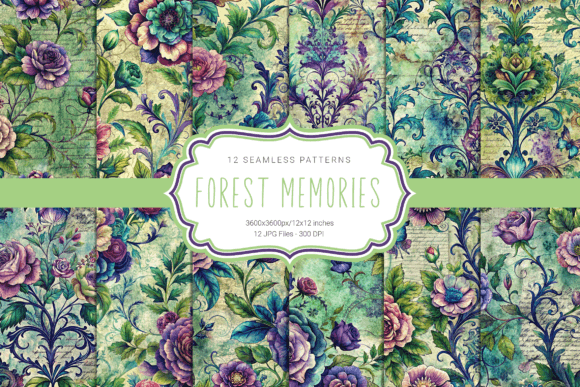
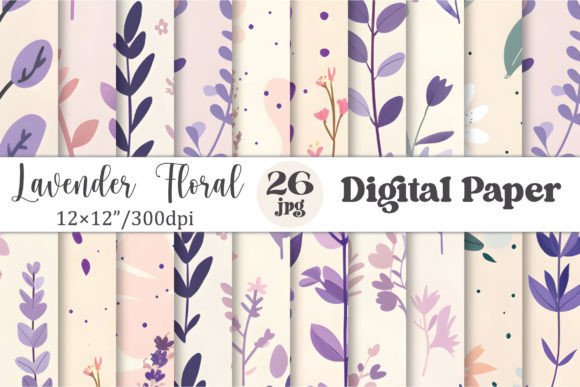
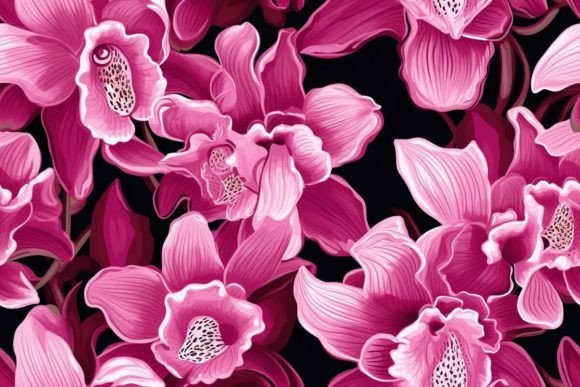
This discrepancy highlights a critical best practice for digital consumers: focus on product images instead. Relying on the filename or title can lead to disappointment if the actual visual does not match the description. The true value lies in the preview thumbnails and the actual composition of the artwork. If a specific type of image is required for a project—such as a monochrome line drawing versus a full-color watercolor—the creator should look closely at the sample images provided in the listing.
Furthermore, the technical specifications of the files dictate their usage. A standard JPG file offers broad compatibility but lacks the transparency of PNGs or the vector scalability of SVGs. However, for many print and web applications, a high-resolution JPG is perfectly sufficient. Users who require more specific control over their assets, such as transparent backgrounds or infinite scaling, should consider contacting the provider. Many creators are open to uploading specific types of images upon request. If you need a particular species or a different file format, reaching out in the comments section can yield customized solutions tailored to your workflow.
Building Community Through Shared Appreciation
The journey of sourcing and utilizing botanical art is rarely a solitary endeavor. There is a vibrant community of enthusiasts who share tips on licensing, editing techniques, and creative applications. Engaging with this community enhances the overall experience and ensures that users get the most out of their digital purchases. Platforms dedicated to design resources thrive on interaction, where feedback loops help improve the quality of available assets.
This collaborative spirit is evident in the call for reviews and support. When a creator releases a new set of Nature Patterns Botanical Illustration, leaving a review serves a dual purpose. First, it helps future buyers make informed decisions by highlighting the quality and usability of the files. Second, it provides valuable data to the artist regarding what styles and formats are in demand. Positive engagement, symbolized by star ratings, encourages the continued production of high-quality content.
- Leave a Review: If you find the assets useful, take a moment to share your experience. Your feedback validates the effort put into creating the illustrations.
- Follow for Updates: By following the creator's channel, you ensure you don't miss new releases. The market for botanical art is constantly evolving, with new species and styles being added regularly.
- Support Independent Artists: Purchasing these assets supports independent creators who dedicate significant time to mastering the craft of botanical illustration.
The sentiment expressed in phrases like "FOLLOW US FOR MORE PRODUCTS AND SUPPORT" is not just marketing fluff; it represents a partnership between the consumer and the producer. In a crowded digital marketplace, supporting those who produce authentic, high-quality work ensures that the art form continues to flourish.
Looking Forward: Sustainability and Digital Nature
As we move further into the digital age, the intersection of technology and nature becomes increasingly relevant. Nature patterns Botanical illustration serves as a bridge between the physical and the virtual. As concerns about climate change and environmental degradation grow, the imagery of plants and flora reminds us of what we stand to lose and what we must protect. Using these patterns in commercial products can subtly reinforce a brand's commitment to sustainability, aligning business goals with ecological values.
Moreover, the trend toward "slow design" mirrors the slow growth of plants. In a world of fast fashion and disposable digital content, botanical illustration invites us to pause and appreciate the details. It encourages a slower, more deliberate approach to creation. Whether you are designing a website, printing a poster, or crafting a logo, the presence of these organic forms grounds the design in reality.
Ultimately, the power of Nature Patterns Botanical Illustration lies in its ability to adapt. It fits seamlessly into modern workflows while retaining its timeless charm. By understanding the nuances of file formats, focusing on visual quality over misleading titles, and engaging with the community, creators can harness the full potential of these assets. The result is work that is not only visually stunning but also meaningful and connected to the natural world that sustains us all.
If you are ready to elevate your projects with the elegance of botanical art, remember to explore the available options carefully. Check the previews, respect the file limitations, and don't hesitate to reach out for specific needs. With the right resources, the beauty of nature can become a central pillar of your creative identity.