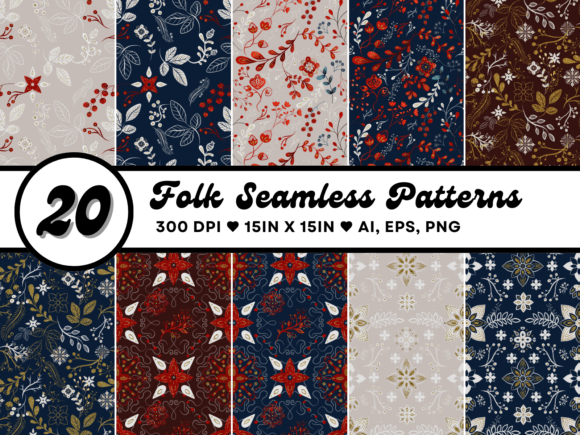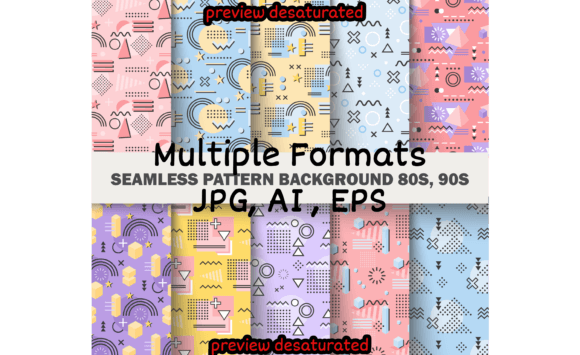
Collection Seamless Patterns: Elevate Your Projects with Style and Sophistication
When you are looking to add a touch of style and sophistication to your work, the difference between a good design and a great one often lies in the details. This is where Collection Seamless Patterns become an essential tool for creators across every industry. Whether you are designing textiles, packaging, digital art, or web interfaces, these designs offer versatility that few other assets can match. The beauty of a seamless pattern is its ability to repeat infinitely without visible breaks, creating a continuous, beautiful texture that feels organic and professional.
However, simply grabbing any image labeled as "seamless" is not enough. Many creators make the mistake of assuming all patterns are created equal, leading to pixelated prints, awkward tiling on websites, or branding that looks amateurish. To truly enhance your projects, you need to understand how to evaluate quality, choose the right theme, and apply these designs effectively. This guide will help you navigate the world of seamless textures, avoid common pitfalls, and ensure your final output is nothing short of elegant.
Why Collection Seamless Patterns Are Essential for Modern Design
The primary appeal of these collections is their adaptability. A single high-quality pattern can transform a plain white background into a luxurious textile, turn a simple product box into a premium package, or serve as a sophisticated backdrop for a blog post. For entrepreneurs and small business owners, using Collection Seamless Patterns is a cost-effective way to maintain a cohesive brand identity across various media without spending thousands on custom illustration.
For professionals like freelancers and marketers, these assets save valuable time. Instead of building a texture from scratch, you can select a pre-designed pattern that aligns with your project's mood and deploy it immediately. This efficiency allows you to focus more on strategy and less on the mechanics of rendering complex graphics. When used correctly, these patterns elevate the perceived value of your work, signaling attention to detail to your clients and audience.
Common Mistakes That Undermine Your Designs
Even experienced designers can fall into traps when working with repeating textures. One of the most frequent errors is ignoring the resolution requirements of the final medium. A pattern that looks crisp on a mobile screen might appear blocky and jagged when printed on a large banner or fabric roll. If you download a low-resolution file thinking it will scale up, you risk ruining the entire project with visible pixels.
Another critical oversight is failing to check the tile alignment. Some patterns have obvious "seams" where the edges meet, breaking the illusion of continuity. This is particularly damaging in web design, where a visible seam down the middle of a hero section can look unprofessional and distract from your core message. Similarly, in textile design, a misaligned pattern can result in wasted material and frustrated customers.
There is also the issue of color compatibility. A stunning pattern in isolation might clash violently with the surrounding elements of your layout. Using a pattern with too much contrast or clashing hues can overwhelm the viewer, making text hard to read or drawing attention away from the call-to-action. It is easy to get caught up in the visual complexity of a design and forget how it interacts with the rest of the composition.
How These Mistakes Impact Your Results
The consequences of these oversights go beyond mere aesthetics. Poorly chosen patterns can lead to increased production costs due to reprints or redesigns. In the digital realm, heavy, uncompressed pattern files can slow down website loading speeds, negatively affecting user experience and search engine rankings. Furthermore, if a pattern does not communicate the right vibe, it can confuse your audience. For example, a playful, cartoonish pattern might undermine the trustworthiness of a financial service website.
Ultimately, the goal is satisfaction—both yours and your client's. A project marred by technical flaws or poor stylistic choices requires costly revisions and damages your reputation. Avoiding these issues starts with a careful evaluation process before you ever click "download."
Practical Advice for Choosing and Applying Patterns
To ensure success, start by defining the purpose of your project. Are you aiming for a subtle texture that adds depth without distraction, or a bold statement piece? Collection Seamless Patterns offers a range of styles and themes, so be specific about what fits your narrative. If you are creating packaging, consider how the pattern will wrap around corners; some designs work better than others for 3D applications.
- Check the Resolution: Always verify the DPI (dots per inch) and pixel dimensions. For print, aim for at least 300 DPI at the final size. For web, ensure the file size is optimized so it doesn't bog down page load times.
- Test the Tile: Before committing to a purchase or use, create a test swatch. Zoom in to 400% to inspect the seams. Does the pattern flow naturally, or do you see a sharp line? Most reputable collections provide preview tiles specifically for this purpose.
- Consider Color Variations: Look for patterns that come in multiple colorways. This flexibility allows you to customize the asset to match your brand palette without needing to hire a graphic designer for color correction.
When applying these patterns, think about layering. Don't let the pattern dominate the entire canvas unless that is the specific intent. Use opacity settings to blend the pattern with solid colors, or place it behind text to create a textured background that remains legible. For digital art, try blending modes like "Overlay" or "Soft Light" to integrate the texture seamlessly into your illustrations.
Evaluating Quality Before You Buy
Not all patterns are worth your investment. Take the time to review the portfolio of the creator or the collection itself. Look for consistency in style and technical execution. Does the pattern feel handcrafted and unique, or does it look generic and overused? High-quality collections usually feature intricate details and thoughtful compositions that stand out against standard stock imagery.
Additionally, check the licensing terms. Ensure that the license covers your intended use, whether it is for personal hobbies, commercial products, or client work. Misunderstanding licensing can lead to legal issues later on. A trustworthy provider will clearly outline what you can and cannot do with the files.
By taking a methodical approach to selecting and using Collection Seamless Patterns, you can avoid the frustration of mismatched assets and technical failures. Whether you are a hobbyist looking to spice up a scrapbook or a marketer launching a global campaign, the right pattern acts as the foundation for a polished, professional result. With a bit of care and attention to detail, these versatile designs will become an indispensable part of your creative toolkit, helping you achieve elegance and sophistication in every project you undertake.